



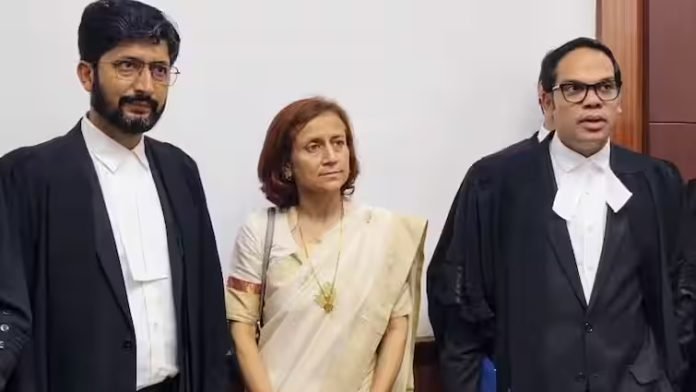
Geetanjali Angmo, the wife of prominent climate activist Sonam Wangchuk, visited her husband at Jodhpur Central Jail on October 10, where he is detained following the Leh violence that erupted on September 24. Angmo’s visit comes amid growing concerns about the treatment of activists in the region.
In her post on social media platform X, Angmo disclosed that she had a meeting with Wangchuk along with his lawyer Ritam Khare. During this visit, they secured a copy of Wangchuk’s detention order, which they are preparing to challenge in court.
The detention order outlines the allegations against him, and cites the National Security Act (NSA) as the basis for his continued incarceration. Angmo emphasized the severity of the situation, stating that the allegations include inciting violence during peaceful protests.
On the previous Saturday, Tsetan Dorje, Wangchuk’s brother, also met with him at the facility, along with another lawyer, Mustafa Haji. After their discussion, Haji shared on X that Wangchuk has requested an independent judicial inquiry into the tragic deaths of four individuals during the protests in Leh.
“Wangchuk has stated his willingness to remain in jail until such an inquiry is conducted,” said Haji in his post, highlighting his client’s commitment to justice and accountability. This resolve reflects Wangchuk’s deep commitment to both the environmental and social rights of his community in Ladakh.
Angmo has taken steps to address her husband’s situation by filing a petition in the Supreme Court for his immediate release. The crucial hearing on her plea is set for October 14, indicating the urgency to resolve the matter.
Wangchuk, widely recognized as a passionate advocate for environmental and social justice in Ladakh, faced detention under the NSA due to violent clashes during the protests advocating for statehood for Ladakh and its inclusion under the Sixth Schedule of the Constitution.
Post his detention, Wangchuk initially spent time in Delhi before being transferred to Jodhpur Central Jail on September 26. His detention has sparked significant outrage among activists and supporters who see it as an attack on freedom of expression. Wangchuk’s case reflects the critical struggle many activists face in India today, as they push for human rights and environmental justice in the face of hostility.
