



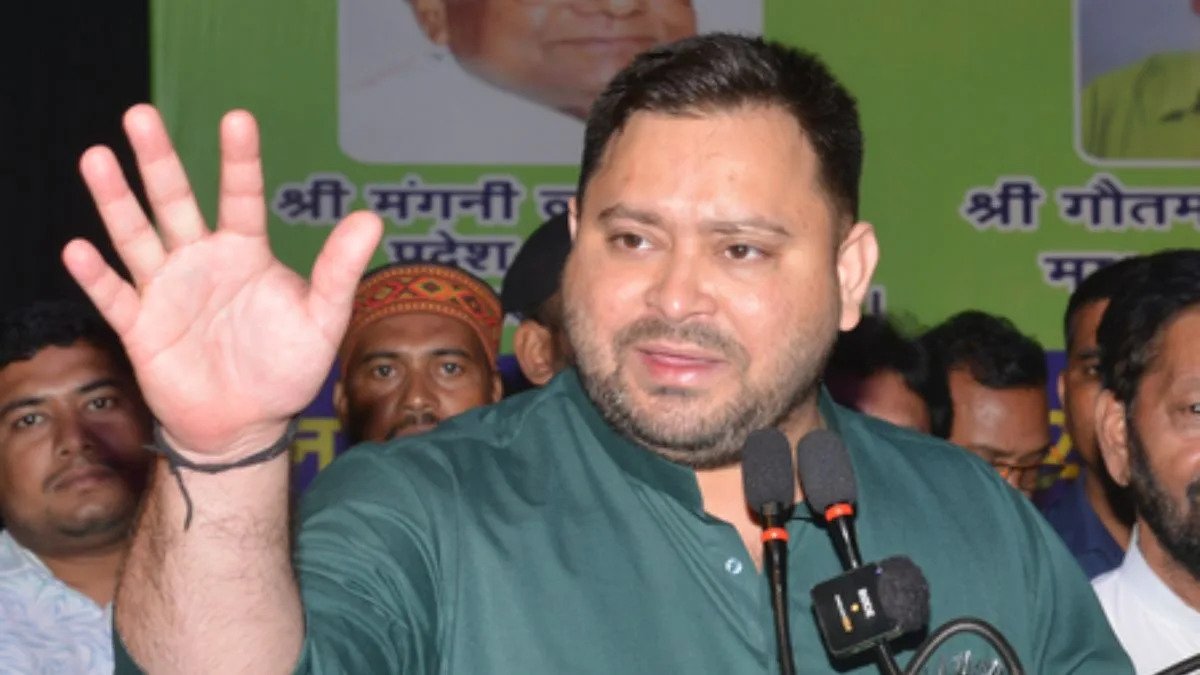
The Congress and Rashtriya Janata Dal (RJD)-led Mahagathbandhan (Grand Alliance) convenes a vital meeting in Delhi today to finalize its seat-sharing strategy for the upcoming Bihar Assembly elections. Prominent leaders, including RJD supremo Lalu Prasad Yadav and his son Tejashwi Yadav, join forces with smaller alliance partners for this critical discussion.
This meeting occurs against a backdrop of increasing urgency for the alliance to establish a cohesive front. The BJP-led National Democratic Alliance (NDA) recently made headlines by announcing its own seat-sharing formula, intensifying the pressure on the Mahagathbandhan.
Earlier, VIP chief Mukesh Sahni, also part of the Mahagathbandhan, acknowledged internal challenges, humorously portraying the alliance as “a bit unwell.” He applauded his trip to Delhi as an opportunity for better “treatment” and expressed optimism about returning “healthy.”
In contrast to Sahni’s comments, Bihar Congress leader Shakeel Ahmad Khan downplayed any rift within the alliance. He projected confidence, stating, “A meeting will be held, and everything will be finalized. The Mahagathbandhan is united, and the current corrupt government is certain to go.” His words reflect a determination among opposition leaders to present a united front.
The NDA’s seat-sharing arrangement has established its candidates in a structured manner. Under the agreement, Nitish Kumar’s Janata Dal (United) and the BJP will contest 101 seats each, providing a solid foundation for their campaign strategy. Meanwhile, the Lok Janshakti Party (Ram Vilas) under Union Minister Chirag Paswan has been allotted 29 seats, with the Hindustani Awam Party (Secular) led by Jitan Ram Manjhi and the Rashtriya Lok Morcha (RLM) contesting six seats each.
The stakes are high for this election, as the polls for the 243-member Bihar Legislative Assembly are set for two phases on November 6 and November 11, with the counting of votes scheduled for November 14. The outcome of these elections could significantly impact the political landscape of Bihar, particularly for the opposition.
As the Mahagathbandhan leaders engage in seat-sharing negotiations, they find themselves tasked not only with finalizing their political strategy but also with overcoming internal differences and presenting a unified challenge to the NDA. Voter sentiment indicates a desire for change, positioning the Mahagathbandhan as a vital player in shaping Bihar’s future.
